We couldn't find any items matching your search criteria. Try adjusting your filters or search terms.
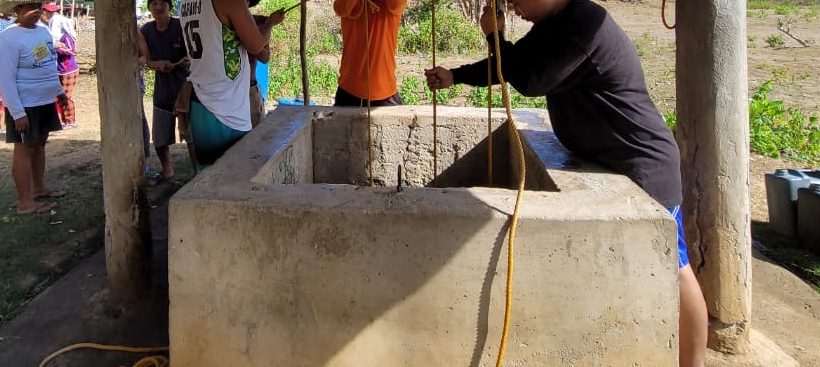
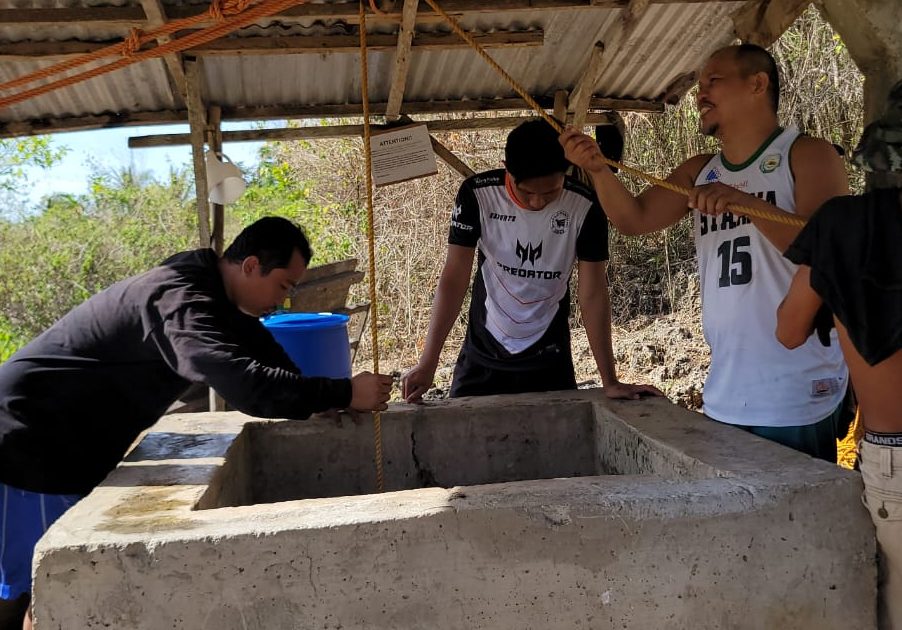
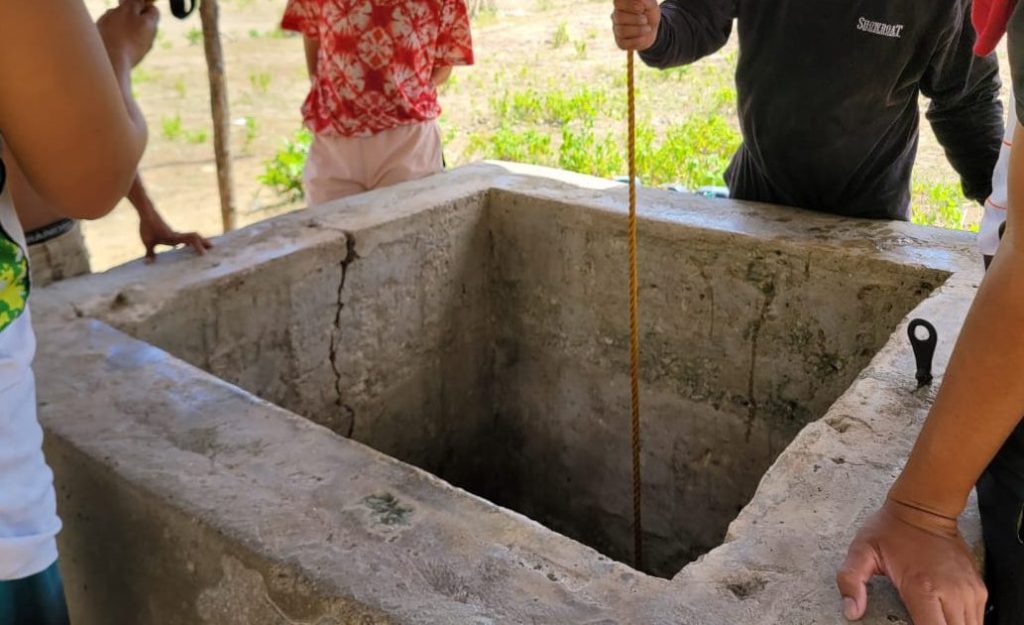
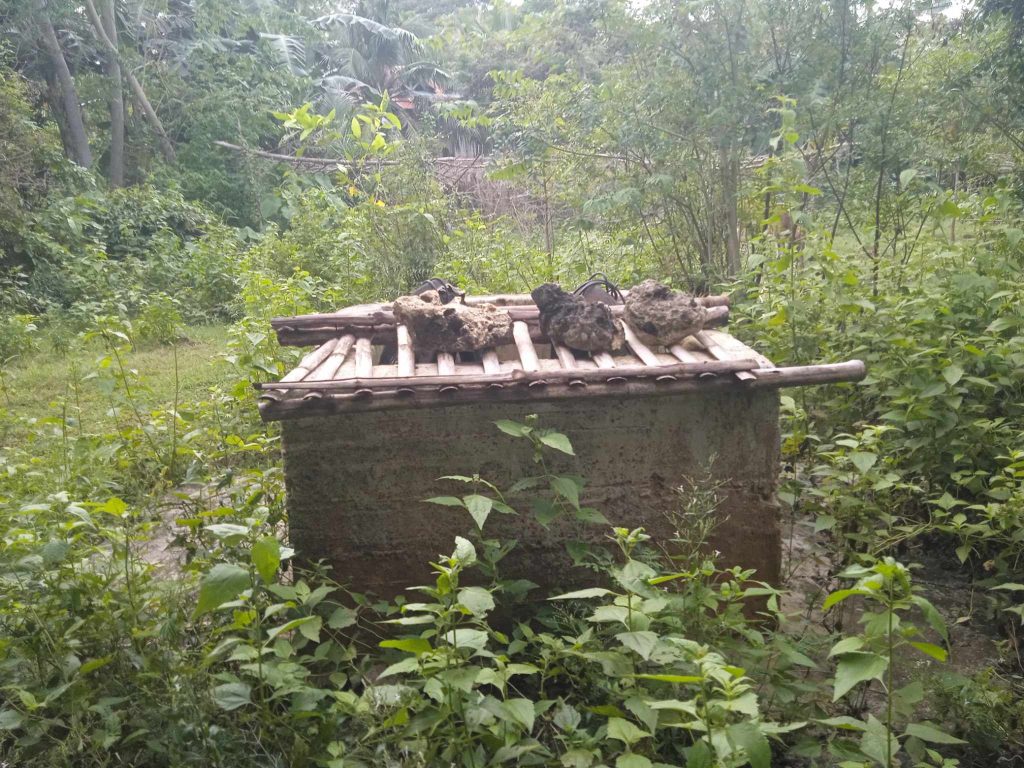
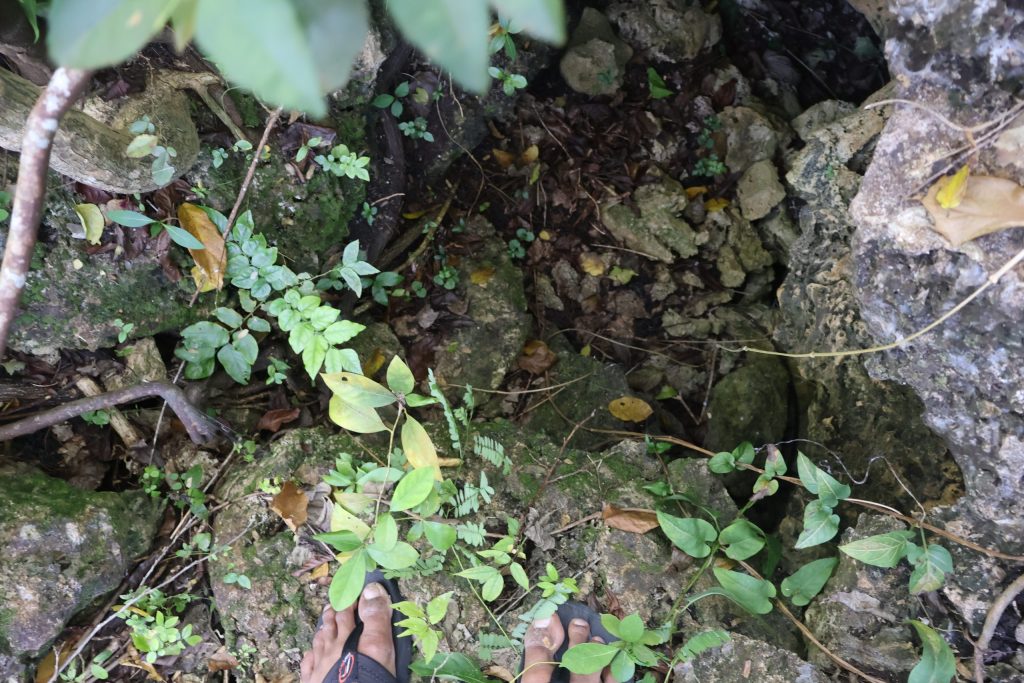
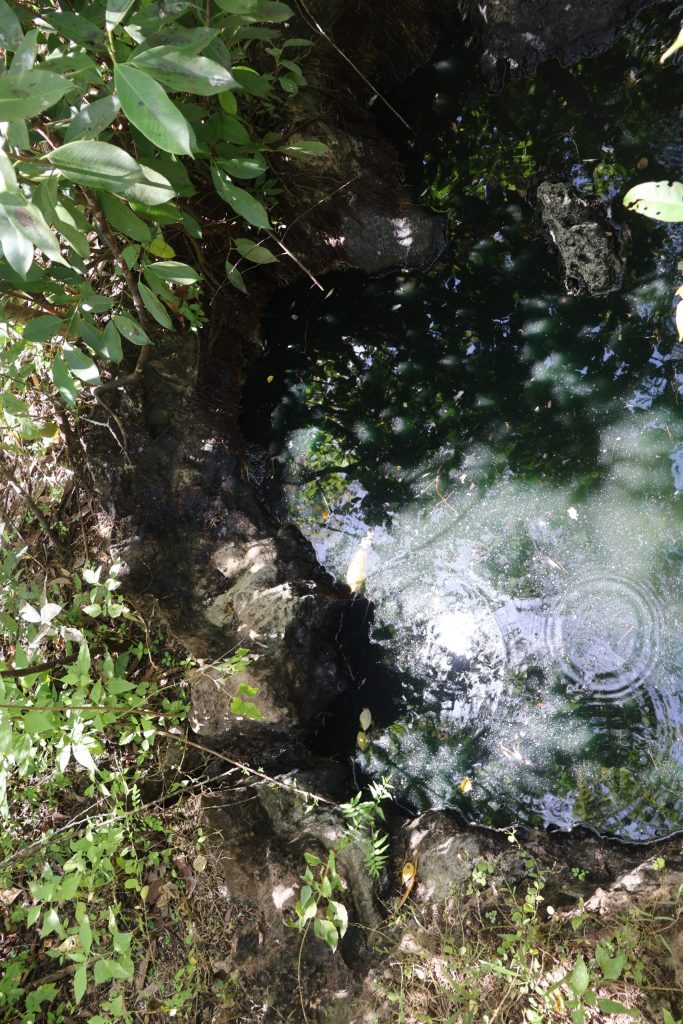
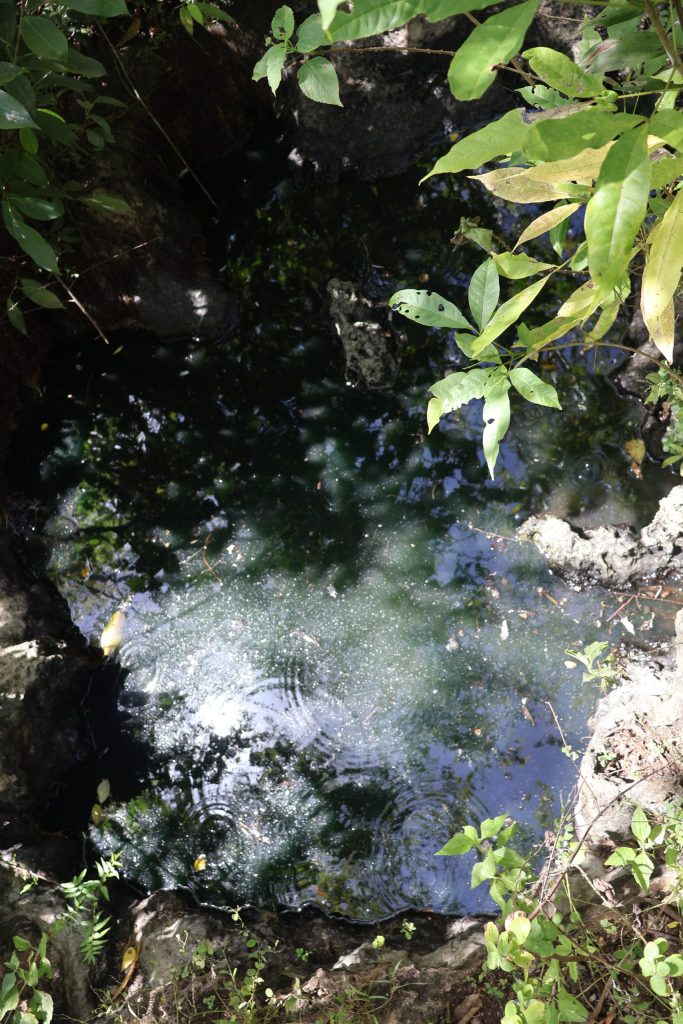
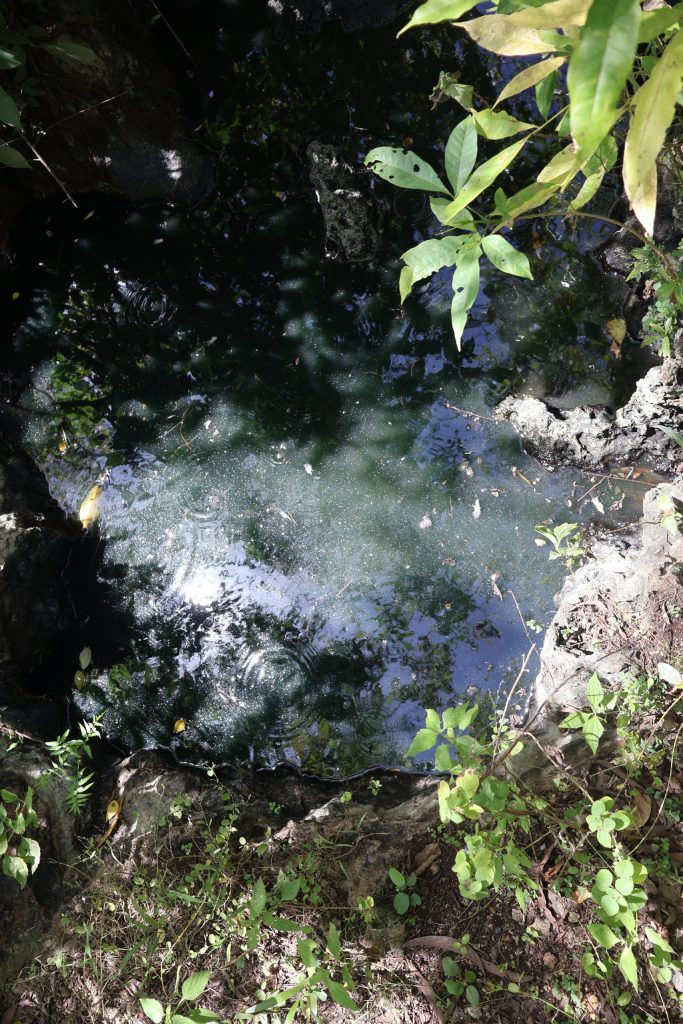
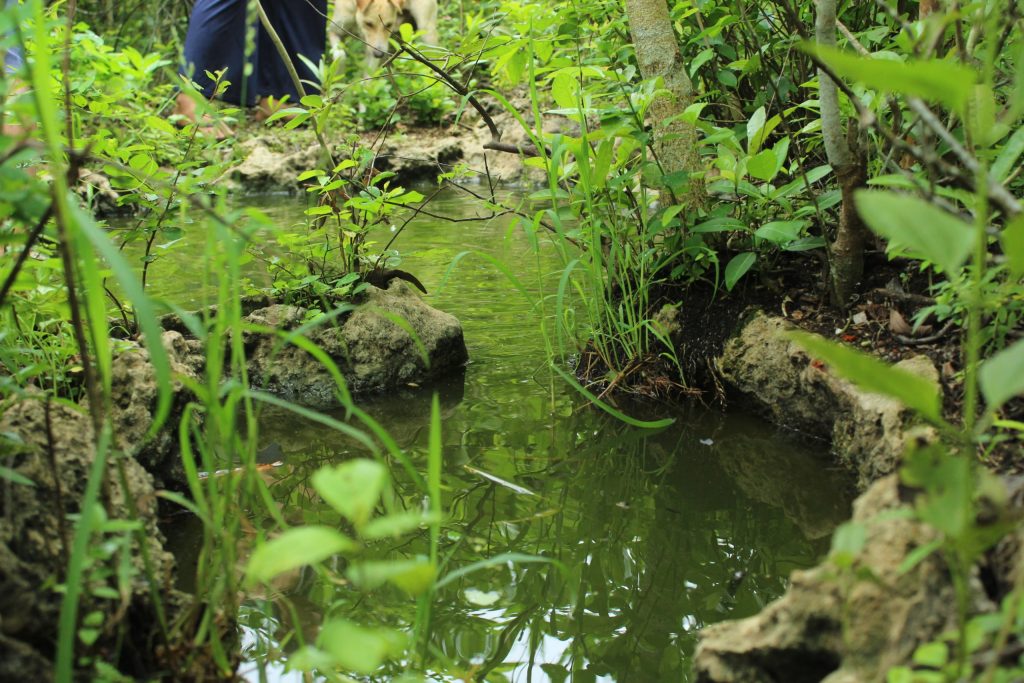
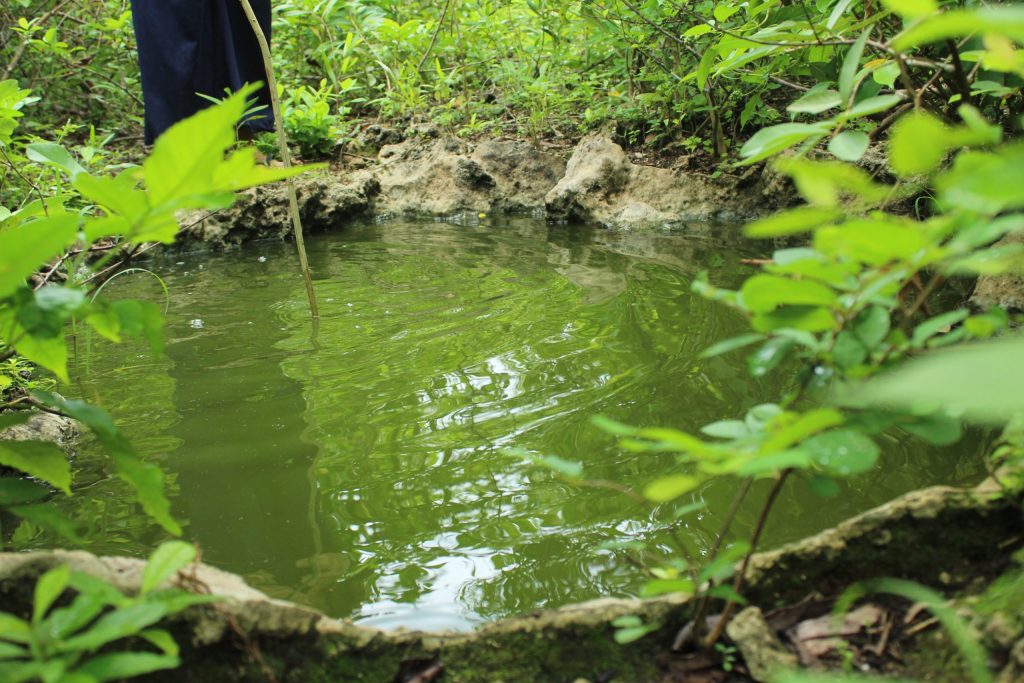
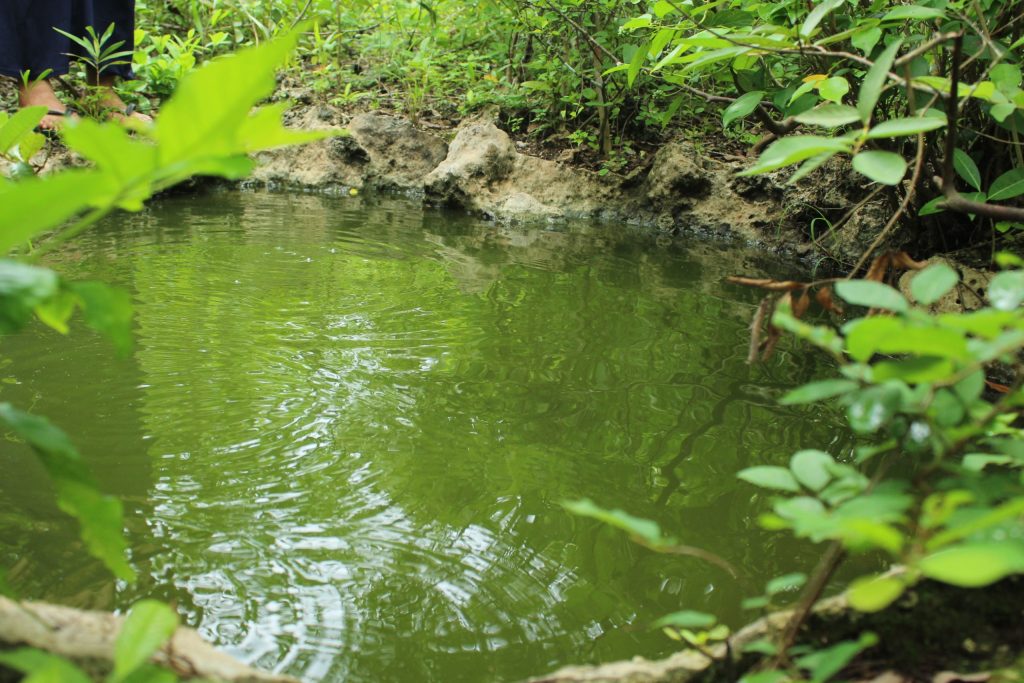
Ang atabay usa sa ging kuhaan sang tubig diri sa lugar sang bihiya nga ging tawag na sara nga siitio 37 nga may kalawmon nga 37 ka dupa usa ini ging kuhaan sang pangan diri nga lugar dakoy tabang ang atabay sa mga katawhan tungod kay ini ang ging kuhaan sang tubig sa matag adlaw kinahanglan nga mas protektahan ini nga atabay tungod kay ini lang nga atabay ang limpyu kag may tubig pa sa diri sa Sitio 37. May mga atabay nga diri sa isla nga ning parat kag ning hubas na tungod sa wa na ini ging gamit sang mga tawo.
The well is one of the main sources of water in the area of Bihiya, specifically in a place now called Sitio 37, with a depth of 37 arm spans (dipa). It has long served as a water source for the people in the area, providing great help in their daily needs. Because of its importance, this well must be protected, as it is the only clean and reliable water source remaining in Sitio 37. Other wells around the island have already become salty or dried up due to lack of use by the community.
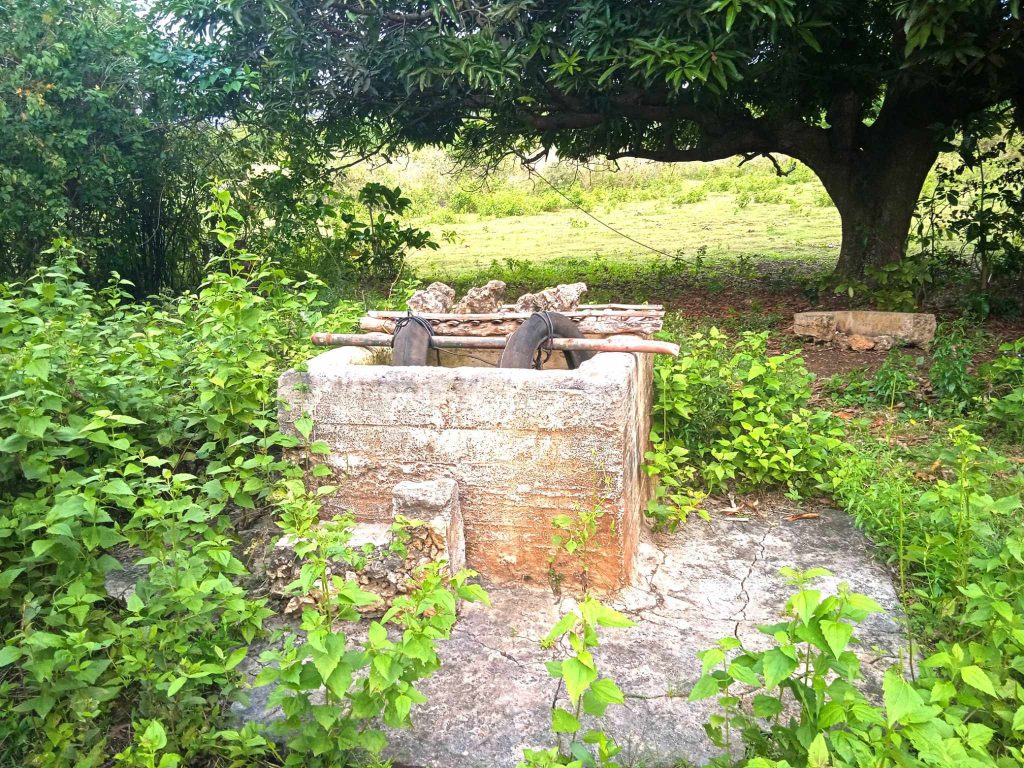
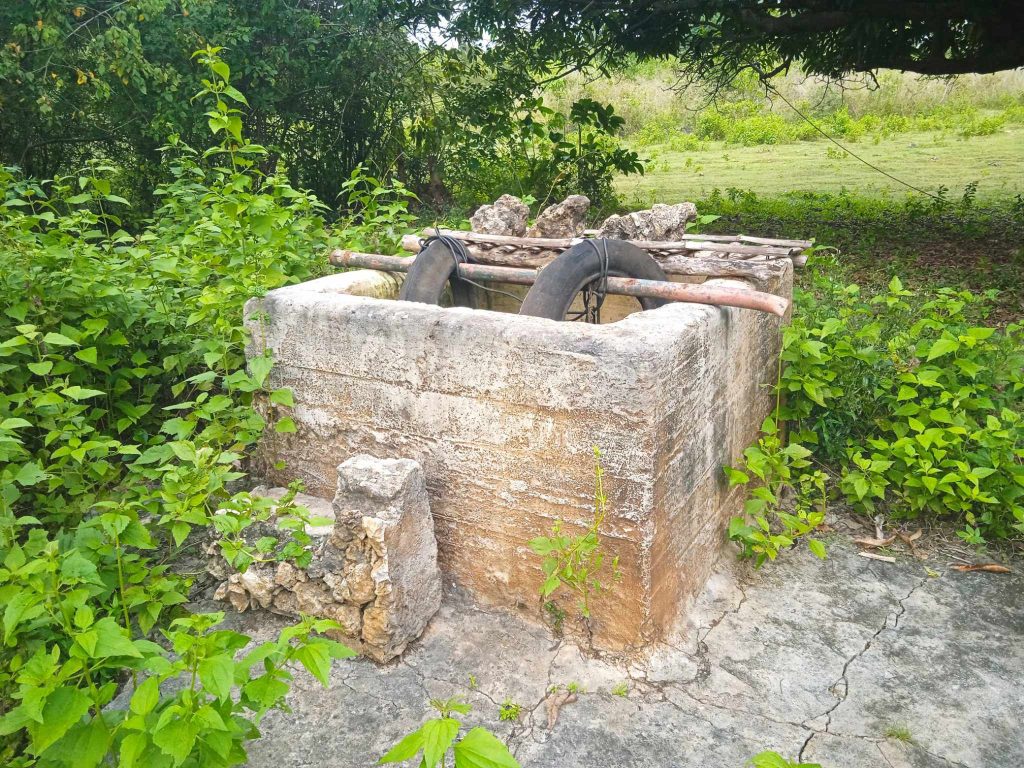
Ang atabay sa Purok Tagaytay, usa sa pina kadugay na atabay sa tibuok Bantayan Island. Sa una dira na atabay magkuha sang pangluto, panglaba, imnonon sang mga tawo, panghugas sa pinggan, pangkaligo, pasuyop sa mga sapat kag sa iban pa na panginahanglanon sang tawo sa una. Sa una bugnaw ang tubig sa atabay kag tin-aw kag natural lang iya lami. Sara wa na nagamit ang atabay kay may mga gripo na, samok nalat iya palibot kag wa na nasagha kag wana na atiman.
The well in Purok Tagaytay is one of the oldest wells on the entire Bantayan Island. In the past, people used this well to get water for cooking, doing laundry, drinking, washing dishes, bathing, giving water to animals, and for other daily needs. Back then, the water from the well was cool, clear, and had a natural taste. Nowadays, the well is no longer used because faucets are now available, its surroundings have become messy, it is no longer cleaned, and it has been neglected.
Ang bihiya cave, sa panahon sang mga katiguwangan, para sa mga norma nga tawo usa ini sya sa ila gika hadlukan kay may gituohan sila nga ang Karabungko daw dri nag puyu.
Pero sama sa mga tawo nga nag tuon ug pampung sama sa meriko, ini nga langub sang bihiya ang iya sudlon para mag tuman sang iya ritwal.
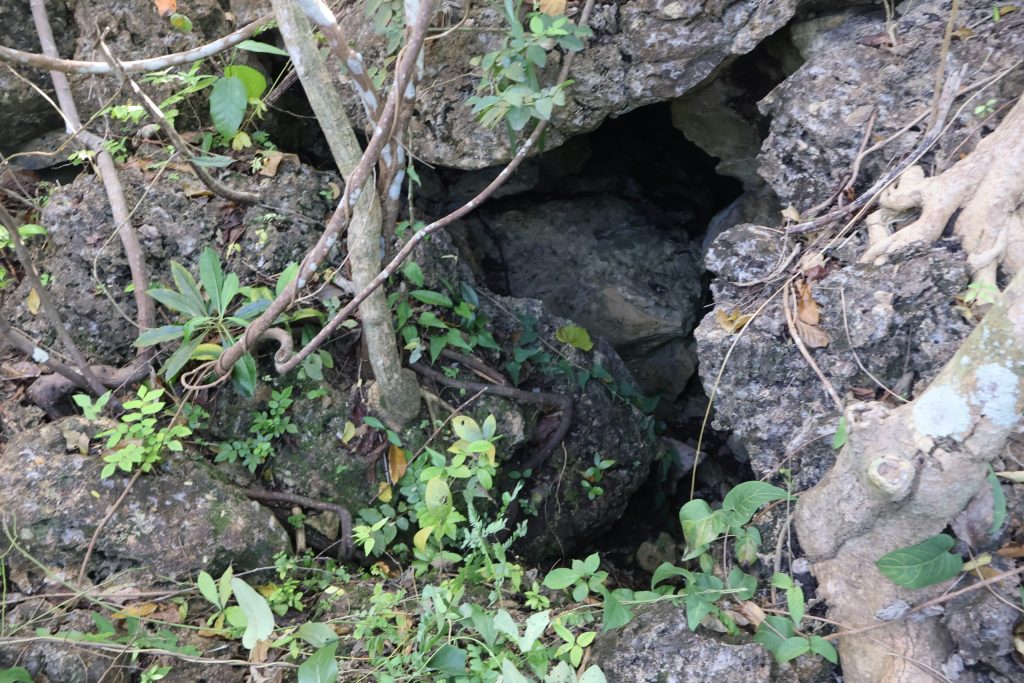
Kung imo tawon awon ang physical na hitsura sang langub sang bihiya. Wala gyud sang maigo nga tawo kay gamay da man kaayu ang lungag, kay may nag abung nga bato. Dili parehas sa iban nga langub nga abre kaayu ang bukana .
Sa dili ika limud ang tinuod nganung may mga natural cave kita kay dra ma pundo ang tubig inig uwan na ma preserve ug mag hatag sang tubig sa mga ugat sang tanom ug mga kahoy, kung naka bantay kamu. Kung mo shud kamu sa langub may mga droplets sa tubig nga mag tubud gikan sa mga bato- bato na igbaw sang langub. Inang nga gahong ug bung -aw di ina angay naton labayan sang mga basura kay dra ma pundo ang mga tubig na mo mag hinay-hinay pag tuhup sa mga bato hangtud maabot sa aton waterlens. Tag amu nina ang makuha naton nga tubig sa aton mga atabay.
Pero para sa may mga tulumanon nga mga meriko amu ini ang paborito nila nga tungason kay diri sila mag tuman sa iya ritwal sang una nga panahon.
Karon sa aton panahon Ang bihiya cave usa nlng ini ka kalibunan nga may mga wild nga species na makita ninyu diri.
The Bihiya Cave, during the time of the elders, was feared by ordinary people because it was believed that a being called Karabungko lived there.However, for people who studied healing practices like the meriko (folk healers), the Bihiya Cave was a place they would willingly enter to perform their rituals.If you observe the physical appearance of the Bihiya Cave, it’s very narrow and a person can barely fit through the entrance because a rock partially blocks it. It’s not like other caves that have wide, open entrances.It’s undeniable that natural caves serve important purposes. These are places where rainwater collects and is preserved, helping to provide water to the roots of plants and trees. If you’ve noticed, when you enter the cave, droplets of water drip from the stones above. That kind of power and natural wonder should not be taken for granted or polluted with trash, because it’s where water slowly seeps through the rocks and reaches our water table. This is the same water we get from our wells.For those with spiritual practices, like the meriko, this cave was their favorite place to climb to and perform their ancient rituals.Today, in our time, Bihiya Cave is simply a forested area where you can still see some wild species living inside.
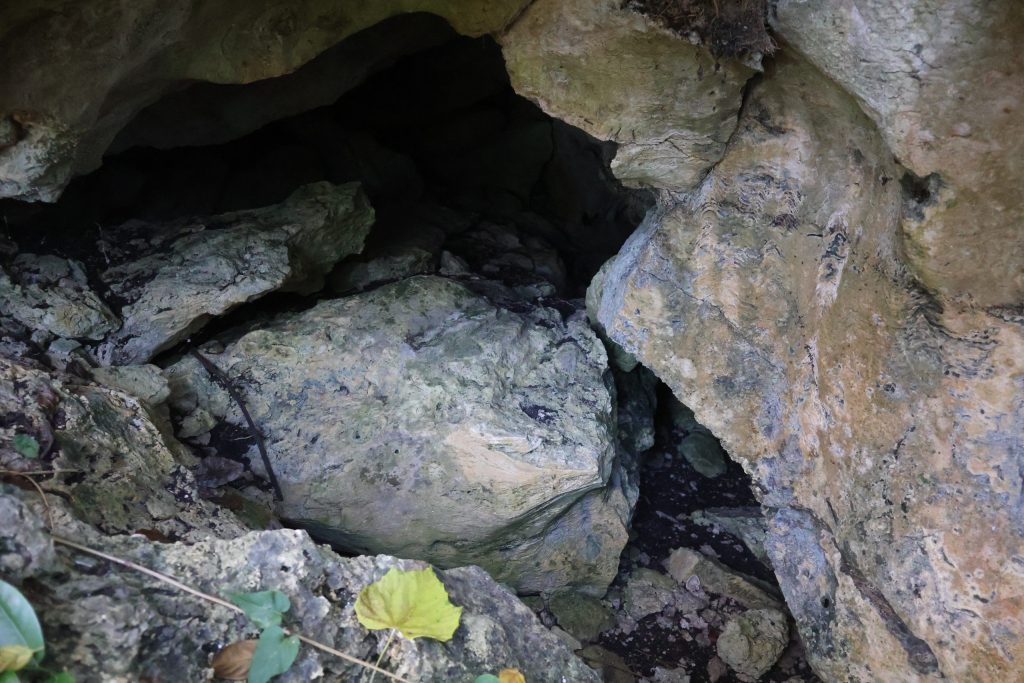
Ang basyaw 1 usa ka natural nga mugna sang kinaiyahan. Gamay nga sawranan sang tubig kung mo uwan. Sa kani adto pa panahon sang mga katigulangan usa ini sa gigamit nila nga planggana kung mo bundak nadaw ang uwan. Mo tungas na sila sa bukid para manlaba.
Sa pag lipas sang pahanon may mga gamit na ang mga tawo nga planggana. Gigamit na ang basyaw punduhanan sang tubig kung mo uwan para sa pag inom sa mga baka. Nga gitawag na nga “pashupan o pasuyupan”.
Ang basyaw, daku kaayu ni nga tabang sa matag nag puyu sa usa ka bukid sama sa mga sapat, langgam, kag iban pa nga mga nabuhi sa kinaiyahan. Kay dra man sila maka inom kag maka ligo sa time nga ting init kag wala nay tubig uwan.
Sama sa langub, gahong , kag basyaw mga natural nga kini nga mugna sang kinaiyan para sa mga nag kinahanglan.
Amu ini ang mga source of water sang mga primative people nga nag puyu dri sang una nga panahon sng wpa na imbinto ang pagkawot sang mga aton Atabay.
Ang tinuod nganung may mga natural cave kita kay dira ma pundo ang tubig inig uwan na ma preserve kag mag hatag sang tubig sa mga ugat sang tanom,. Kung naka bantay kamu. Kung mo shud kamu sa langub may mga droplets sa tubig nga mag tubud gikan sa mga bato-bato na igbaw sang langgub. Inang nga gahong ug bung -aw di ina angay naton labayan sang mga basura kay dira ma pundo ang mga tubig na mo mag hinay-hinay pag tuhup sa mga bato hangtud maabot sa aton tinubdan sang tubig ma inom o ” waterlens”. Tag amu nina Ang makuha naton nga limpyu nga tubig sa aton mga atabay
The basyaw 1 is a natural formation created by nature. It is a small water catchment area that collects rainwater. In the old days, during the time of our ancestors, it was used like a natural basin whenever there was heavy rainfall. People would climb up to the hills to wash their clothes there. As time passed and people began to use man-made basins, the basyaw was repurposed as a rainwater reservoir for livestock, particularly cows. This later became known as a “pashupan” or “pasuyupan”—a place where animals could drink water. The basyaw is a great help to all living in mountainous areas, especially animals, birds, and other creatures that rely on nature. It serves as a source of drinking and bathing water during dry seasons when rainwater is scarce.Just like caves, springs, and basyaws, these are all natural formations created by nature to support life. They were the primary sources of water for early or primitive people before the invention of deep wells.In fact, the reason we have natural caves is that they act as water storage systems when it rains. The water is preserved and slowly flows through underground channels that feed the roots of plants. If you’ve noticed, when entering caves, you can often see water droplets dripping from rocks above. These caves and rock openings should not be treated as dumping sites because they collect and store the water that gradually seeps through rocks and eventually reaches our underground water sources—also known as the “water lens.”
Lorem ipsum dolor sit amet, consectetur adipiscing elit. Sed non risus. Suspendisse lectus tortor, dignissim sit amet, adipiscing nec, ultricies sed, dolor. Cras elementum ultrices diam. Maecenas ligula massa, varius a, semper congue, euismod non, mi. Proin porttitor, orci nec nonummy molestie, enim est eleifend mi, non fermentum diam nisl sit amet erat. Duis semper. Duis arcu massa, scelerisque vitae, consequat in, pretium a, enim. Pellentesque congue. Ut in risus volutpat libero pharetra tempor. Cras vestibulum bibendum augue. Praesent egestas leo in pede. Praesent blandit odio eu enim. Pellentesque sed dui ut augue blandit sodales. Vestibulum ante ipsum primis in faucibus orci luctus et ultrices posuere cubilia Curae; Aliquam nibh. Mauris ac mauris sed pede pellentesque fermentum. Maecenas adipiscing ante non diam sodales hendrerit.
Lorem ipsum dolor sit amet, consectetur adipiscing elit. Sed non risus. Suspendisse lectus tortor, dignissim sit amet, adipiscing nec, ultricies sed, dolor. Cras elementum ultrices diam. Maecenas ligula massa, varius a, semper congue, euismod non, mi. Proin porttitor, orci nec nonummy molestie, enim est eleifend mi, non fermentum diam nisl sit amet erat. Duis semper. Duis arcu massa, scelerisque vitae, consequat in, pretium a, enim. Pellentesque congue. Ut in risus volutpat libero pharetra tempor. Cras vestibulum bibendum augue. Praesent egestas leo in pede. Praesent blandit odio eu enim. Pellentesque sed dui ut augue blandit sodales. Vestibulum ante ipsum primis in faucibus orci luctus et ultrices posuere cubilia Curae; Aliquam nibh. Mauris ac mauris sed pede pellentesque fermentum. Maecenas adipiscing ante non diam sodales hendrerit.